2026 Sasol Student Design Awards
THE 2026 Sasol Student Design Awards, showcased at the ARMSA Rotomoulding Conference, once again attracted several impressive entries, with students demonstrating considerable creativity. The theme, ‘Designing for Children: Rotomoulding for Play, Learning and Development,’ lent itself well to rotomoulding, as playground environments typically require larger structures. These must be robust, as children place high-performance demands on structures and toys.
Students from the Tshwane University of Technology, the University of Johannesburg, and Open Window participated this year. Their entries were submitted as digital creations rather than physical prototypes, as had been the case in previous years when the conference was held in Cape Town. The project formed part of the students’ Industrial Design course. The standard of the submitted entries was exceptionally high, making the judging process quite challenging. Nevertheless, the winners were selected, and they were:
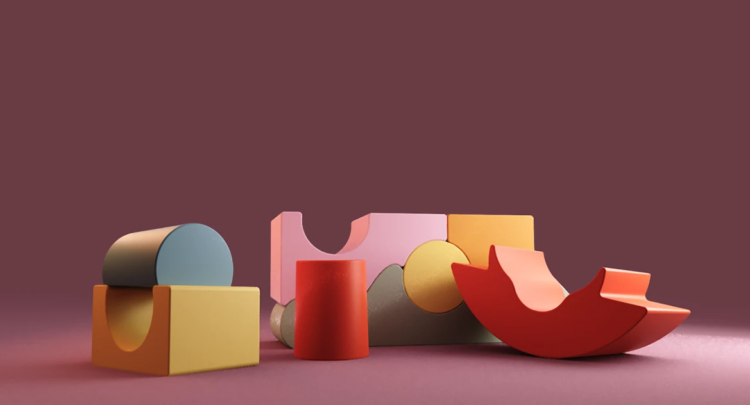
1st Place: KINOKO
Emma Nortier, a student from Open Window, took first place with flying colours for her product ‘Kinoko’, which encourages imaginative play, including building, crawling, and climbing. Kinoko’s modular and flexible design, which was inspired by the soft, organic silhouettes of mushrooms, accommodates different stages of physical, cognitive, and social development, reducing the need to replace toys as children grow. This project uses LLDPE (Linear Low-Density Polyethylene) as the primary material, chosen for its durability, flexibility, and safety for children. Rotational moulding with LLDPE produces long-lasting components that can withstand active play, reducing waste from frequent replacements.
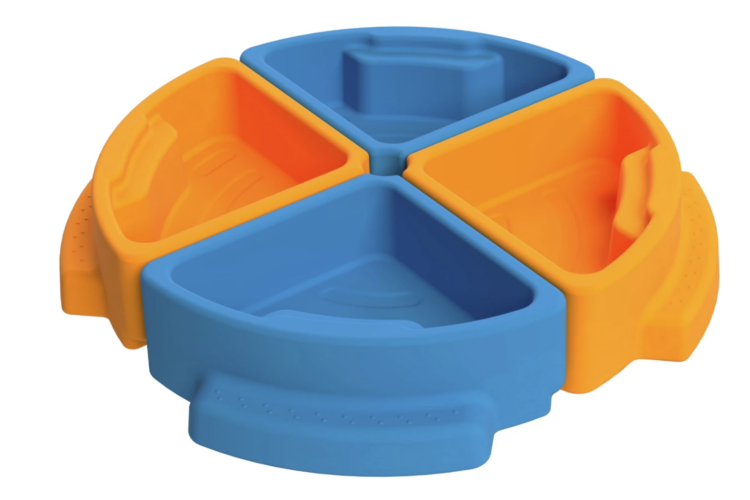
2nd Place: PLAYFINITY
Tshwane University of Technology’s Junior Ramafemotook second place with ‘Playfinity’, a modular sand and water play pod that allows children to have both the fun of playing with water and sand. The product, made with LLDPE resin, features four pods that interlock with each other, two for sand and two for water, as well as the option to add a patio umbrella for sun protection. The water pods were designed with an anti-slip surface to minimise any possible accidents. The tapered internal seats are comfortable, with each pod accommodating up to two children.
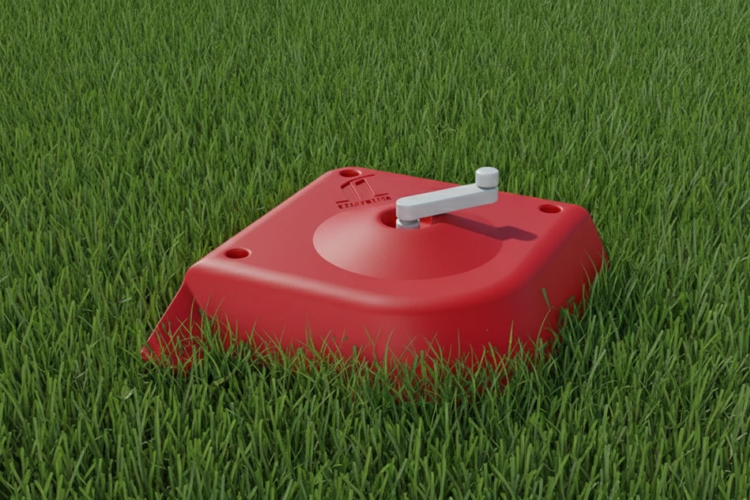
3rd Place: JUST TOUCH
Open Window’s Stefan Venter came in third with ‘Just Touch’, a portable touchline system for home or school field creation for various sports. The design makes use of both LLDPE polyethylene and PLA plastic, with the rope manufactured to specific dimensions – narrow (25mm) and thin (0.87mm) – allowing it to roll up compactly for easy storage. The portable touchlines can be used not only by children needing a pitch for various sports, but can also be purchased by schools and sports clubs, broadening the target market. The product is suitable for use on any type of grass field.
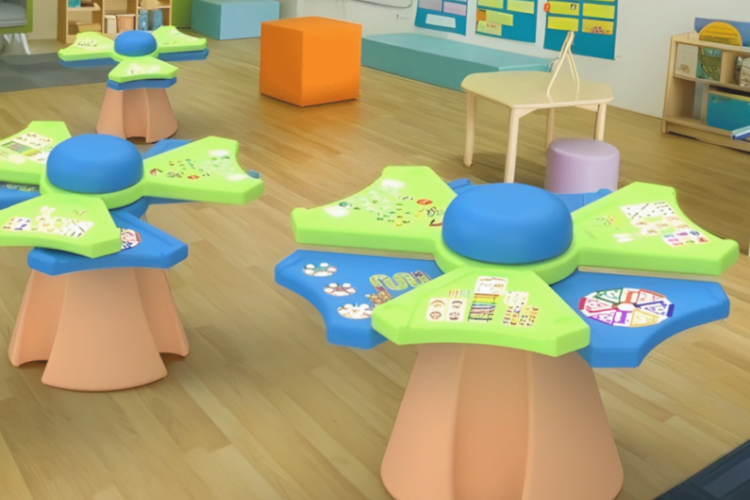
COMMENDATION: PLAY-SHIP STATIONS
Lesedi Mosima Phaka from Tshwane University of Technology earned a commendation for the ‘Play-Ship Station’, a product with ‘a galaxy of games in one place’, made using 5 MFI (Melt Flow Index) LLDPE. This product is a table that is big enough that it can allow for several children to gather around and play collaboratively, each on their own ‘station’ but connected through a unifying theme. The design focuses on educational games that help develop numeracy and literacy skills, while remaining a contained solution that cannot be easily scattered, lost, or turned into a mess.
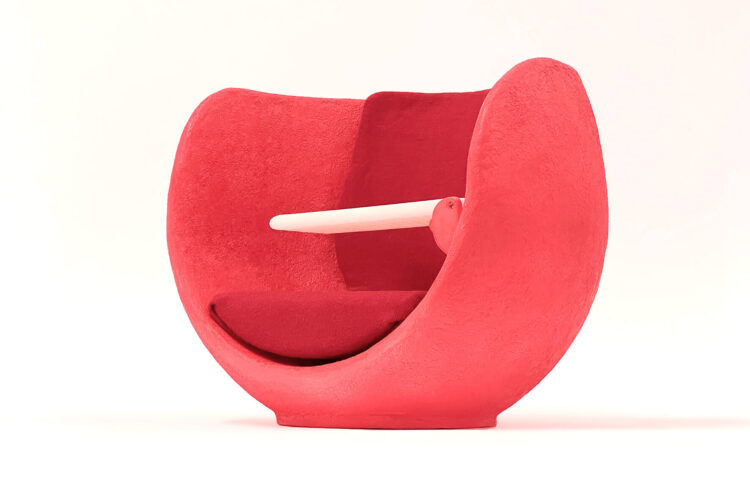
COMMENDATION: HUG POD
Jaime Rowney from the University of Johannesburg earned a commendation for the Hug Pod, a rotomoulded chair 3D printed with polyethylene and designed to provide neurodivergent students aged 5-7 with learning disabilities with a calming, focused space in the classroom. The tactile textured shell of the product was designed to offer soothing sensory relief, with its muted colours being chosen to stimulate without being overwhelming. By creating a cocoon-like environment, the Hug Pod can help children feel secure and promote concentration, comfort, and growth.