Global Plastic Treaty negotiations in Geneva collapse amid industry pressure
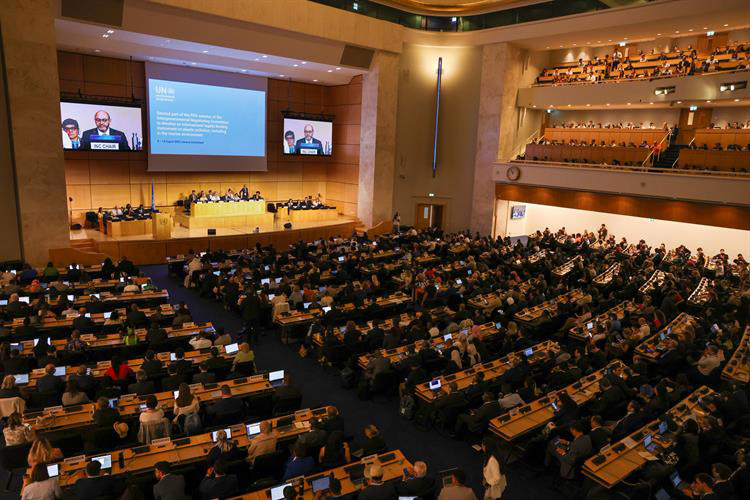
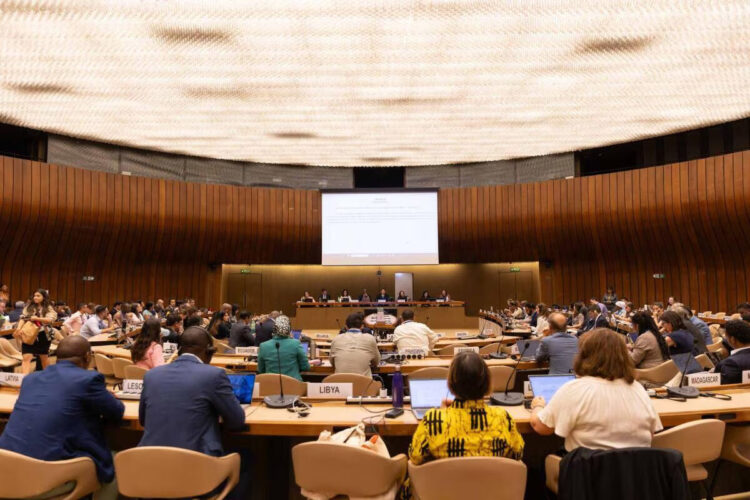
THE world’s most ambitious attempt to curb plastic pollution has collapsed after negotiations in Geneva failed to produce a binding international treaty. After ten days of negotiations, delegates from 185 countries walked away without a consensus on how to address the soaring global plastic crisis. Talks broke down in the early hours of 15 August, with no agreement on production limits, an issue that had become the central dividing line between opposing blocs.
A coalition of over 100 countries, led by Norway, Rwanda, Switzerland, and the EU, pushed for a legally binding cap on plastic production by 2040. They argued that limiting production is essential to address the root of the crisis.
However, major oil- and plasticproducing nations – including Saudi Arabia, Russia, Iran, China, and the United States – refused to accept any language related to production caps, favouring a treaty focused solely on waste management and recycling.
Observers reported unprecedented levels of industry influence. According to the Center for International Environmental Law (CIEL), over 230 lobbyists – some embedded within national delegations – were present in Geneva. Delegations from Egypt, Kazakhstan, and others included representatives from companies such as ExxonMobil, Dow, and Coca-Cola. Ultimately, at least 234 fossil fuel and petrochemical lobbyists attended the Geneva talks, exceeding the combined delegations of the EU and its 27 member states. They outnumbered expert scientists by three to one.
The negotiations extended beyond the August 14 deadline, ending at 6 a.m. the next morning with no agreement. “We will
not have a treaty on plastic pollution here in Geneva,” Norway’s representative said.
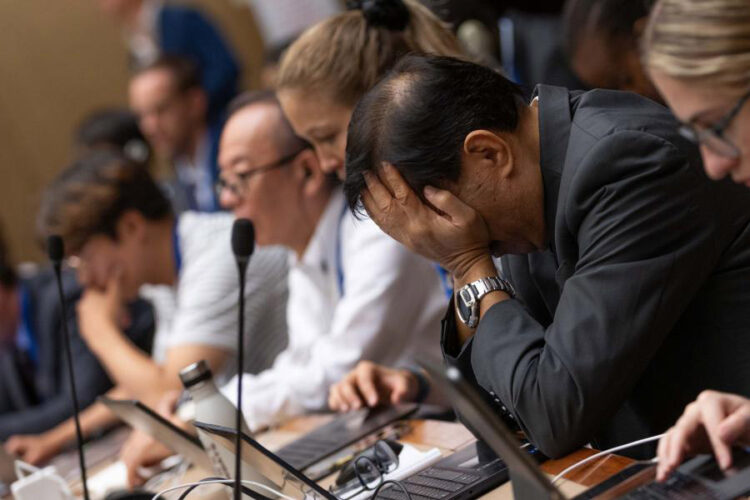
David Azoulay of CIEL called it a “total failure,” warning that the consensus-based process is allowing a small group of nations to block global action, calling for “a restart, not a repeat performance” in future talks. Switzerland’s lead negotiator Felix Wertli echoed the disappointment, suggesting a “reset” may be needed.
“I am disappointed, and I am angry,” said French Environment Minister Agnès Pannier-Runacher following the collapse. “A handful of countries, guided by short-term financial interests rather than the health of their populations and the sustainability of their economies, blocked the adoption of an ambitious treaty against plastic pollution.”
“This was never going to be easy – but the outcome we have today falls short of what our people, and the planet, need,” said Surangel Whipps Jr, President of Palau and chair of the Alliance of Small Island States (AOSIS), many of whom are overwhelmed by plastic pollution and stand to lose much of their territories to climate-related rising sea level. “Still, even after six rounds of negotiations, we will not walk away”.
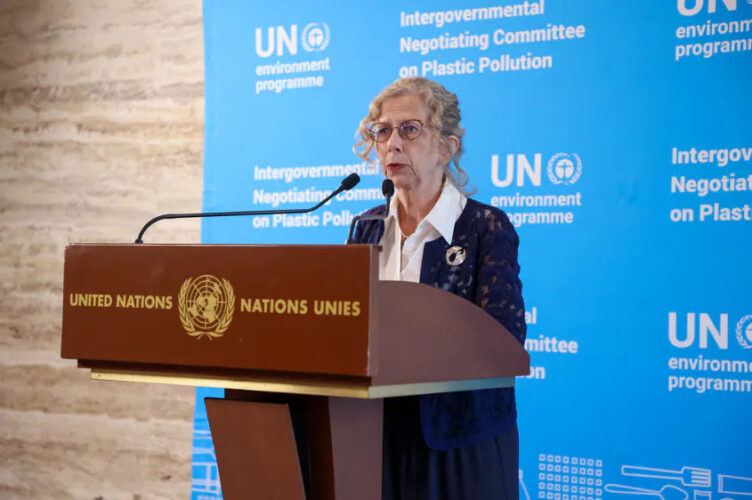
UN Environment Programme chief Inger Andersen noted that while no deal was reached, “significant progress was made as red lines were clarified” and that “the work will not stop, because plastic pollution will not stop.”
However, with global plastic production exceeding 430 million tons per year – and less than 10% being recycled – the collapse of these talks raises serious concerns about whether the world can agree on meaningful action in time. A final round of talks is expected in 2026, but the path forward remains uncertain.