How SAPPMA safeguards South Africa’s plastic pipe industry
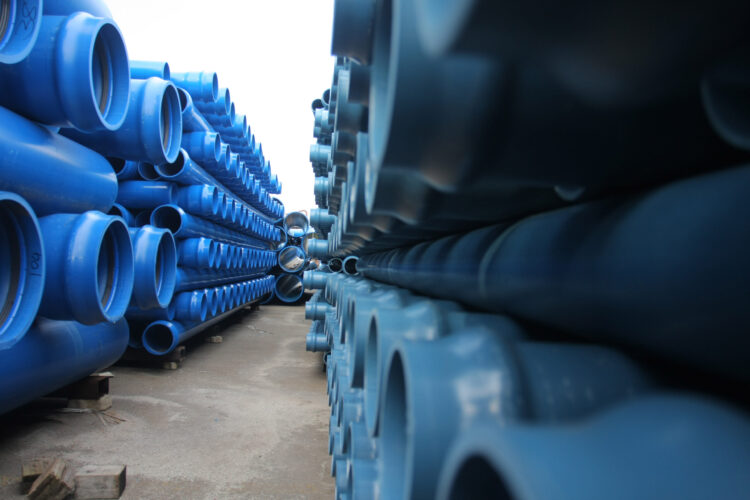
EVERY thriving city, town, and community depends on reliable water and sanitation infrastructure. At the heart of these essential systems lies an unsung hero: the humble plastic pipe. However, not all pipes are created equal. Ensuring that only certified, high-quality products make their way into critical infrastructure projects is the mission of the Southern African Plastic Pipe Manufacturers Association (SAPPMA).
Raising the bar through standards and certification
In the last 40 years, the design stress of pipe materials has vastly increased. Modern polymers and production equipment allow higher outputs, more efficient material use, and exceptional quality control,” Jan Venter, SAPPMA’s CEO explains. SAPPMA-approved manufacturers are audited regularly to ensure strict adherence to both national and international standards. Only those who meet the association’s criteria are authorised to use SAPPMA’s logo on their products. For engineers, municipalities, and procurement officers, SAPPMA advocates that membership be required in tender specifications to guarantee long-term performance. “The best pipe can fail if it’s not manufactured or installed correctly. Specifying SAPPMA approved products protects the project and the people who depend on it,” he explains.
Sustainability built to last
Far from being disposable, plastic pipes are among the most sustainable components of modern infrastructure. When properly manufactured and installed, they can last more than 50 years thanks to their ability to resist corrosion, chemical attack, and environmental degradation. “Plastic pipes offer a broad range of applications with minimal environmental impact. Even off-spec materials produced during manufacturing are recycled responsibly, usually on-site. However, imported recycled material is not permitted for certified pipe production as it safeguards product integrity and public safety,” says Venter.
Bridging the knowledge gap
However, misconceptions about materials such as PE, HDPE, and PVC persist within parts of the industry. To combat this, ongoing education and technical support are key pillars of SAPPMA’s mission. “SAPPMA offers free webinars and seminars, publishes in trade magazines, and produces a comprehensive Technical Manual.”
From factory to field: Installation matters
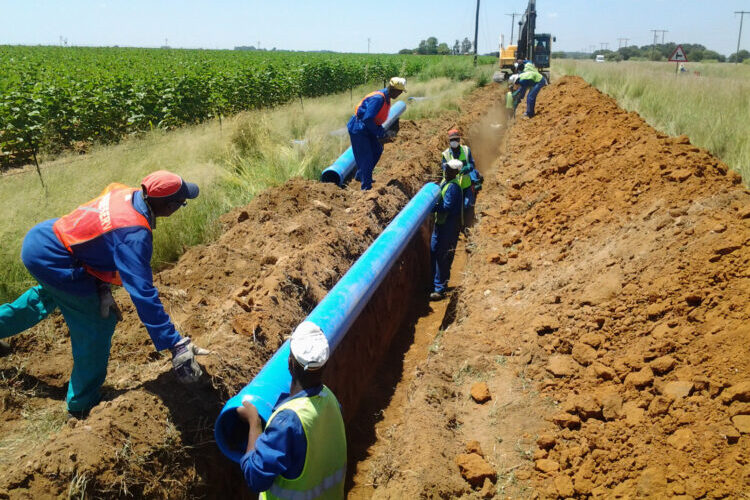
SAPPMA addresses pipe failure through its Installation and Fabrication Plastics Pipe Association (IFPA) division, with a focus on installation standards and on-site best practices, ensuring that certified products are matched by certified workmanship.
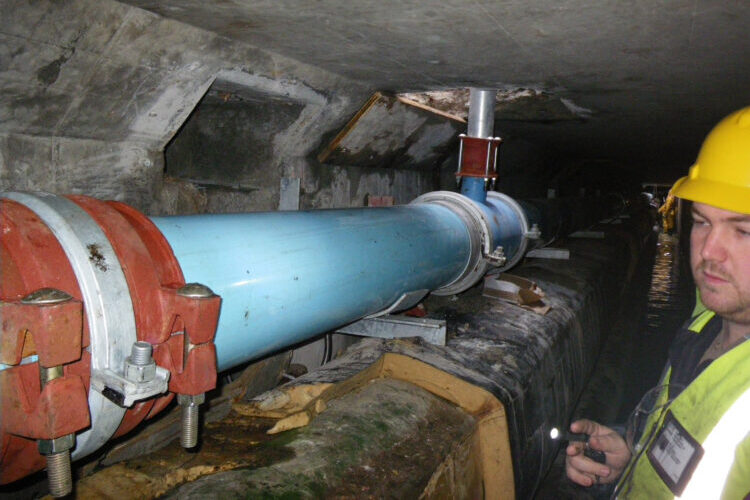
“SAPPMA covers the entire value chain, from design and manufacturing to installation and performance, and certified systems carry the SAPPMA logo, showing they’re designed to handle the specified pressures, flow rates, and temperature conditions safely. When the right pipe is matched to the right pump, you get maximum efficiency, reduced maintenance, and an extended service life,” Venter notes.
By contrast, using uncertified or incompatible products can lead to costly downtime, environmental risk, and equipment damage. For this reason, many of SAPPMA’s member companies offer turnkey support that assists clients with technical advice, jointing methods, and system design – ensuring every installation delivers the reliability it was designed for.
www.sappma.co.za