Mamata Machinery: Powering South Africa’s next packaging revolution
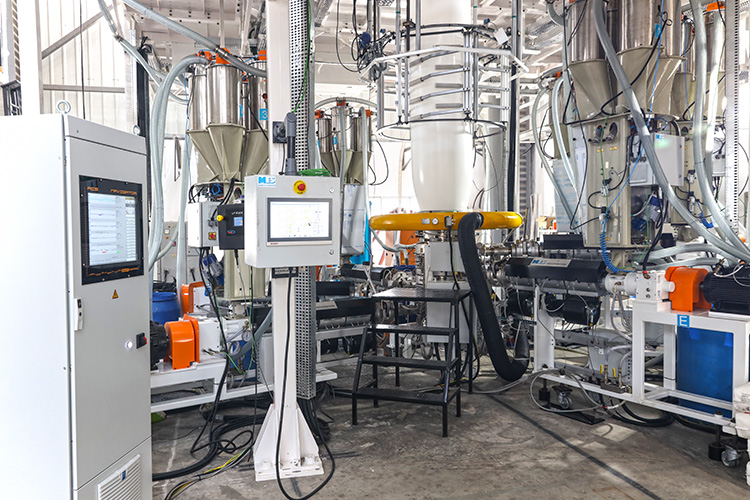
MAMATA Machinery, represented in South Africa by UrbanEden, made a significant impact when it introduced its advanced nine-layer co-extrusion blown film line at PlastIndia earlier this year.
At the centre of its presentation was the launch of RecTech™, a breakthrough recyclable packaging technology, specifically designed for the production of high-barrier mono-material films that can replace traditional non-recyclable multi-material laminates.
Based in Gujarat, India, Mamata Machinery is an established manufacturer of blown film lines and a range of form-fill-seal (FFS) packaging machinery and sachet applications. Until now, Mamata has been best-known locally for its bagmaking machines, but the blown film equipment is manufactured by a separate division within the group at the same plant in Ahmedabad.
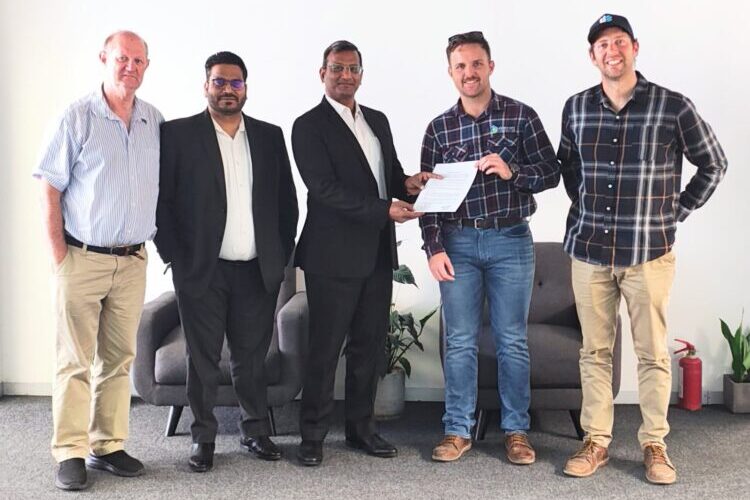
It has partnered in South Africa with UrbanEden, a Cape-based supplier of solar and alternative energy systems. Tim Trollope, a veteran of the local film extrusion business, joined UrbanEden several years ago and has led the transition to film. Several systems have been supplied over the past year.
Role of EVOH in recyclable films
In the context of a nine-layer co-extruder, EVOH (ethylene vinyl alcohol) is the critical ‘barrier’ layer. Until now, high-barrier films have used a mix of different materials (such as PET, Nylon, and PE) that were impossible to recycle together. By contrast, the nine-layer technology allows for a ‘mono-material’ approach where EVOH is used in a specific way to maintain recyclability:
• 95% PE rule: By using nine layers, the machine sandwiches an extremely thin, high-performance EVOH layer (less than 5% of the total weight) between multiple layers of polyethylene (PE). Under global recycling guidelines, if a film is at least 95% PE, it is often classified as a recyclable mono-material.
• Precision layering: The nine-layer configuration allows for better ‘downgauging’ (making the film thinner) while maintaining strength and barrier properties. It provides enough separate layers to include tie-layers (adhesives) and protective structural layers without exceeding the 5% EVOH limit.
• Replacement of nylon: Many older seven-layer structures used nylon (polyamide) for strength, which is a major contaminant in PE recycling streams. The nine-layer system uses sophisticated PE blends for mechanical strength, eliminating the need for nylon.
Key benefits of RecTech™ films
Mamata’s new RecTech™ films, produced on these ninelayer lines, offer several advantages for brand owners:
• Superior barrier: They provide oxygen and moisture protection comparable to or better than traditional PET/ PE or PET/MET-PE laminates.
• EPR compliance: They help brands meet extended producer responsibility (EPR) mandates by moving away from multi-layer plastics (MLP) to fully recyclable structures.
• Cost efficiency: One of Mamata’s key claims is that RecTech™ narrows the price gap between standard non-recyclable films and sustainable alternatives, making it commercially viable for large-scale adoption.
• Optical clarity: Despite being a ‘recyclable’ film, it maintains the high gloss and transparency required for retail food packaging.
Typical application areas
Nine-layer EVOH recyclable films are ideal for:
• Food packaging: Meat, cheese, and snacks that require high oxygen barriers to extend shelf life.
• Liquid packaging: Pouches for oils or liquids where puncture resistance and barrier are both required.
• Vacuum skin packaging (VSP): Providing a tight, transparent ‘skin’ for premium food items.
Mamata Machinery is represented in South Africa by Urban Eden (Pty) Ltd
www.urbaneden.co.za
www.mamata.com