Colourful celebrations as SAPY turns 30
HAMMERSDALE-BASED SAPY is celebrating its 30th anniversary in style and with a little bit of irony: it started as a newcomer to the yarn market but transitioned to being one of the SA’s top national suppliers of colour masterbatch.
South African Polypropylene Yarn (SAPY) launched in 1995 as a joint venture involving Ninian & Lester (the South African textiles group) and PFE International to manufacture multi-filament yarn. The start was challenging as the yarn of choice at the time was polyester, and the local market was dominated by SANS Fibres, an AECI venture making PET resin and polyester yarn.
Seminal to the process was the arrival of Dr Majid Zarrebini from England to manage the company. The story may have been quite different had the company stuck solely to PP yarn production in fact, there may have been no story at all.
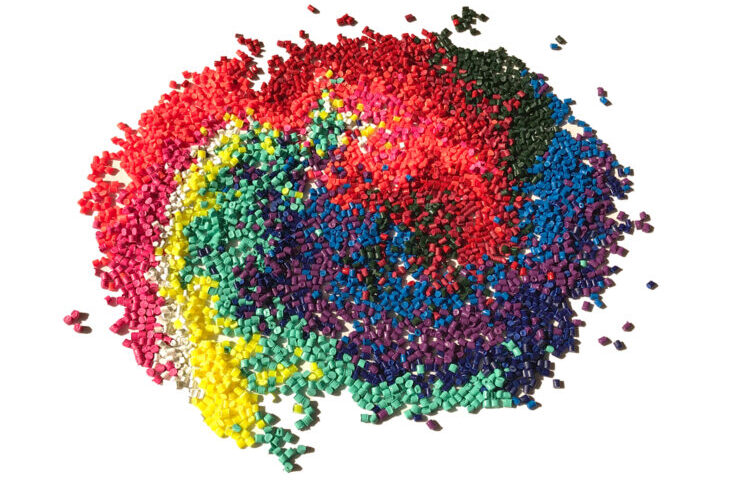
Production of multi-filament yarn was underway but was often delayed by colour availability, so in 1998, SAPY began a trial to produce its own colours by installing a single extruder. The advantage was the ability to test its master batches in the yarns it manufactured on site, making results immediately available. Achieving good colour dispersion in fine yarns is one of the most difficult criteria for masterbatch. With that box ticked, the door opened, and SAPY’s been on a non-stop colour evolution since.
Masterbatch production duly leapfrogged yarn manufacture, and the KZN business is now a dedicated supplier of its high-dispersion colours and masterbatch products to the wider plastics converting market. Much of the ongoing development of SAPY’s site – surrounding gardens and building design – is Majid’s vision. Over the last two decades, the complex has become a sprawling production park with more than 23 twinscrew extruders manufacturing colour masterbatch for virtually the entire market. Achieving high dispersion performance is key for masterbatch, the result being that addition levels can be reduced and product performance improved.
Another key appointment for SAPY was that of Dayalan Moodley as colour manager in 2001.
If anything, producing its own colours benefited both sides of the business; filament production had ready access to virtually any colour and additive masterbatch it required, virtually on tap, and the colour production division was able to access test results almost immediately, enabling it to confidently supply colours with results from its own lab.
Milestones along the way included the set-up of its own laboratory and R&D centre, where there’s a complete range of lab equipment for intensive and continuous testing of both masterbatch products and yarns.
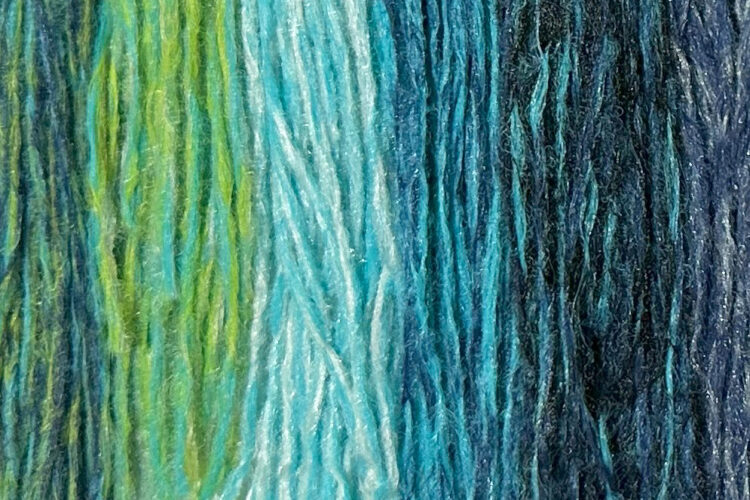
In tandem with this, SAPY opened a visitor centre in 2015, where its yarns and colour products are brightly displayed.
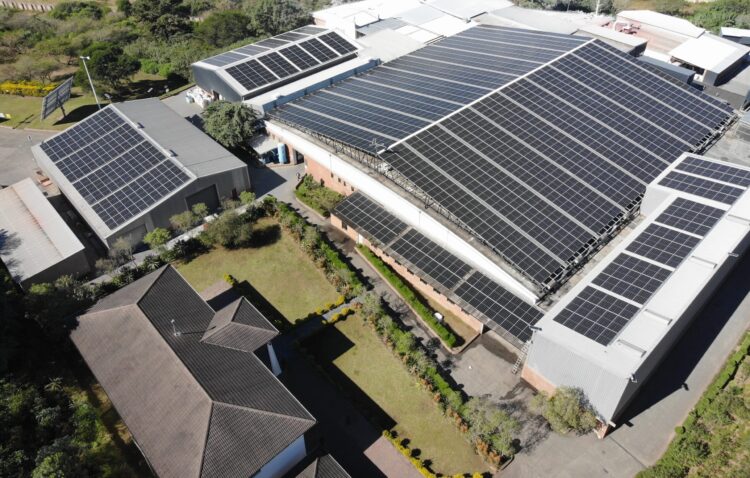
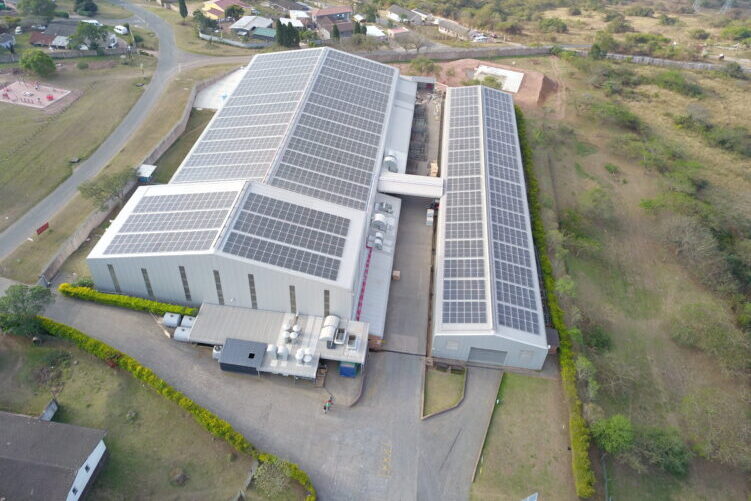
More recently, SAPY has installed a >2MW solar power generation capacity on the extensive roofs of the plant.
SAPY_X
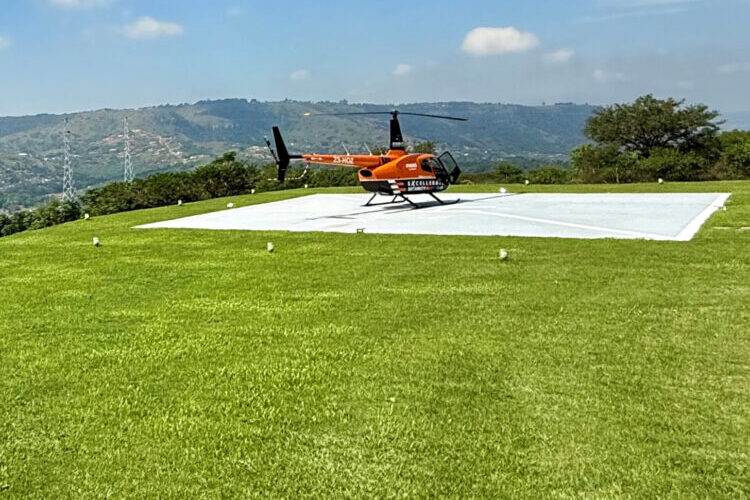
And the company went up another level in 2024 when it introduced SAPY_X (experience). Customers are chartered, for example, from Virginia Airport in Durban to the Hammarsdale plant by helicopter, with helicopter enthusiast and qualified pilot Dr Zarrebini taking customer experience to new heights (literally). Besides skipping the often frenetic traffic on the N3, after a short coastal flight, customers get a bird’s eye view of SAPY’s state-of-the-art facility before disembarking at the SACAA (South African Civil Aviation Authority) approved private helipad.
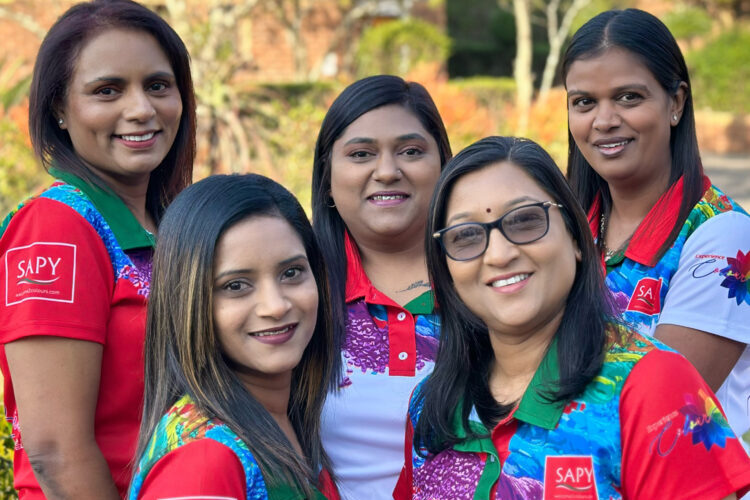
“Our experience of running the largest yarn facility in the southern hemisphere, and being the only masterbatch manufacturer in South Africa that is also a consumer of our own product, gives us a massive advantage. For example, our pigment selection is crucial for colour continuity and dispersion in our yarn, and we use the same quality for all our masterbatches irrespective of application,” says Tracy Campbell, SAPY’s marketing manager.
SAPY’s systems are certified to international ISO standards – 9001:2015 (quality management systems) and ISO 22000:2018 (food safety management systems), the latter approval being from 2018. Several of its masterbatches with a recycled polymer carrier are also SATAS-approved for use in recycled polymer carrier bags.